
About Us

I’m Mary. I’m 68 years old. I’ve fallen five times in the past five years – on ice, rocks, stairs, and wet bathroom tile. I’ve been assaulted by my own puppy while sitting peacefully on my couch. I use a cane. My balance is variable.
My husband is 70. He’s had four complete joint replacements – two knees, two hips – over the past six years.
And this August, we’re traveling from Wisconsin to my grandparents’ village in Abruzzo, Italy. With stops in Ireland and Switzerland. For eight weeks.
If you think that sounds ambitious—or possibly insane—you’re not alone. My husband occasionally uses his “are you sure about this?” voice. (It’s become our catchphrase for most of my decisions.)
But here’s what I’ve learned over twenty years of medical challenges: Tomorrow isn’t promised. Perfect conditions never come. Waiting for “the right time” means never doing anything.
So we’re going. With detailed planning, proper safety measures, realistic expectations, and a sense of humor about the parts that will inevitably go wrong.
And I’m documenting every bit of it—because someone needs real information about accessible travel, not marketing fluff that says “wheelchair accessible” and calls it done.



How We Got Here
Twenty years ago, our family served overseas on a mission field. I became seriously ill in a country with limited medical resources. The symptoms lingered for years after we returned. I learned what it’s like when every day is hard, and I stopped saving “good days” for later.
Ten years ago, our son struggled with substance dependence. Treatment in South Padre Island. Recovery housing in Austin. Months of hoping and praying and learning that crisis doesn’t wait for convenient timing. He’s been sober for 10 years now and graduates from college in 2026. Things we weren’t sure we’d ever say.
My husband’s job brought us to Wisconsin—specifically because Wisconsin has 15,000 lakes and we’d dreamed of living near water for years. I learned to kayak and paddleboard in my 60s. We moved here for those lakes, and I was determined to use them.
Then came 2020. Five falls over five years—each one worse than the last, each recovery longer. A walking boot. Crutches. Three days believing my active life was over.
Then anger. Then determination. Then climbing the stairs that had hurt me, using them to recover instead of avoiding them forever.
My husband’s four joint replacements meant months of extended stays in Austin—16 weeks at one point. We became experts in medical travel logistics, recovery housing, and navigating accessibility challenges when your body doesn’t cooperate.
All of that—the illness, the son’s recovery, the falls, the surgeries, the medical travel—taught us the same lesson over and over: You can’t wait for perfect conditions. You do what needs doing when it needs doing.


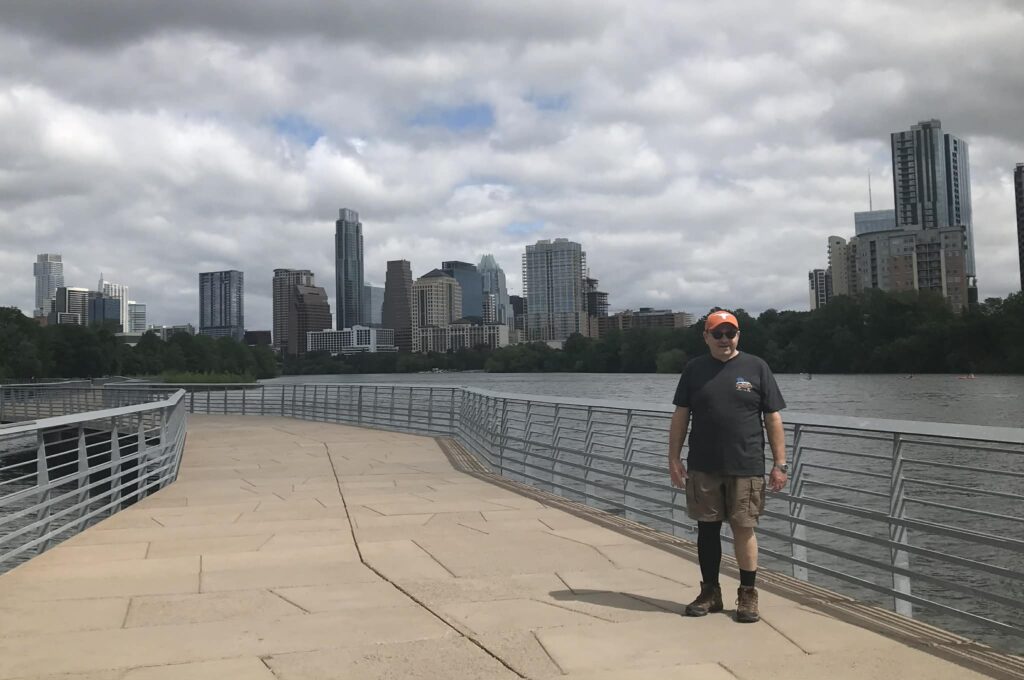

START HERE: OUR COMPLETE STORY
Why I Went Kayaking in 42-Degree Water
Last November, I stood at my window staring at a freezing Wisconsin lake. My rational brain said “stay inside.”
I went kayaking anyway.
Not because I’m brave, but because six years of medical setbacks taught me: We don’t know what tomorrow brings.
At 68, with multiple falls in my history and balance issues that come and go, I’ve learned to use the good days. Because tomorrow might not be one.
That’s what this blog is about: Refusing to wait for perfect conditions. Planning travel despite uncertainty. Living actively despite challenges.
Why This Blog Exists
Over the past few years, my cousins and I started working together on ancestry research. Pooling family stories. Comparing notes. The vague “Grandpa and Grandma came from Abruzzo” got more specific.
This year, I hired a professional ancestry research team based in Abruzzo—near my grandparents’ village. At 68, after everything, I wasn’t going to wait anymore.
This August, we’re meeting that research team in person. Visiting the village they’ve helped us find. Pursuing Italian dual citizenship. Spending eight weeks in Italy—because heritage research and Italian bureaucracy don’t happen in a week.
We’re also stopping in Ireland (first visit, adjusting to time change) and taking the scenic train from Zurich to Milan (because we’re 68 and 70 and deserve nice things).
And I’m documenting everything.
Because when I was planning this trip, I couldn’t find what I needed. Generic “accessible travel” advice that didn’t account for:
- Variable mobility (good days and bad days)
- Multiple medical challenges (not just one issue)
- Extended stays (not weekend trips)
- Real accessibility (not marketing claims)
- Fall history and fear (not inspirational “you can do anything!”)
- Aging bodies that need different strategies
I couldn’t find blogs that gave actual measurements. Real distances. Honest assessments of terrain. Photos of grab bars and doorways. Reviews from people who’d actually stayed in accessible rooms, not just looked at the hotel website.
I couldn’t find anyone talking about the drunk ER doctor in rural Wisconsin, or what it’s like to recover from five falls while still trying to travel, or how to plan European trips when your body has limits.
So I’m creating what I needed to find.
What You’ll Get Here
This isn’t a generic travel blog with stock photos and inspirational quotes about journeys being more important than destinations. (Those quotes are annoying when you’re trying to figure out if a hotel doorway is 32 or 36 inches wide.)
Here’s what you’ll actually get:
- Exact measurements. Not “spacious” or “accessible”—actual numbers. Doorway: 34″. Bathroom door: 32”. Distance from parking: 127 feet with slight incline.
- Honest assessments. What worked, what didn’t, what hurt. Reality versus marketing claims. Whether it was worth the effort.
- Real photos. Of actual accessibility features. Grab bars. Doorways. Terrain. Not stock images of smiling people in wheelchairs.
- Safety protocols. Learned from five falls, one flying puppy, and years of medical challenges. Life vests. Risk assessments. What to pack. When to say no.
- Medical travel logistics. Extended stays. Recovery housing. Finding doctors abroad. Medication management. Emergency planning.
- Ancestry research insights. Professional research teams—worth it or not? Local experts versus DIY. Citizenship processes. Heritage travel with mobility challenges.
- No inspirational BS. Just practical information from someone who’s fallen five times and refuses to stop trying.

Our Upcoming Journey
August 2026: Ireland → Switzerland → Italy
We’re documenting every detail:
- Ireland accessibility for first-timers at 68 and 70
- Zurich to Milan scenic train with joint replacements
- Working with professional ancestry researchers in Abruzzo
- Visiting my grandparents’ village (probably falling on cobblestones)
- Pursuing Italian dual citizenship
- Extended stay medical logistics in rural Italy
- All the accessibility wins, failures, and reality checks
Subscribe to follow along from the beginning.
A Note About Medical Advice
I’m not a doctor, physical therapist, or medical professional. I’m a 68-year-old woman who’s fallen a lot and figured some things out. Everything here is based on personal experience, not professional medical training.
Always consult your own healthcare providers before making medical or travel decisions. What works for me might not work for you. Your doctor knows your situation better than I do.
I share what worked for us. You decide what works for you.
Get in Touch
Questions? Accessibility tips to share? Want to tell me about your own journey?
I read every message. Response time is usually 48-72 hours. Sometimes longer if we’re traveling or if I’m having a bad balance day and need to avoid screens.
I can’t provide: Medical advice, personal trip planning services, or guarantees that you won’t fall on Italian cobblestones. (I probably will, honestly.)
I can provide: Honest information, detailed measurements when I have them, and the occasional story about getting hit by enthusiastic puppies.
GET ACCESSIBLE TRAVEL GUIDES
+ OUR ITALY JOURNEY UPDATES
- Detailed accessibility measurements (actual numbers)
- Honest hotel reviews (reality vs. marketing)
- Safety protocols (learned from five falls)
- Real-time updates from our Ireland → Italy journey
- Professional ancestry research insights
No spam. No generic tips. Just honest, detailed, actually-useful accessible travel information.